
August 31, 2026 · 10 min read
By Peter De Leon, After Effects Carpet Cleaning
What Professional Upholstery Cleaning Actually Does to a Couch
Professional upholstery cleaning is not carpet cleaning turned sideways. It pulls embedded soil, body oil and dust out of the cushion fill a household vacuum never reaches, using controlled heat, a gentler extraction than carpet, and low moisture so the frame and padding do not stay wet. A typical couch is cleaned and touch-dry the same day.
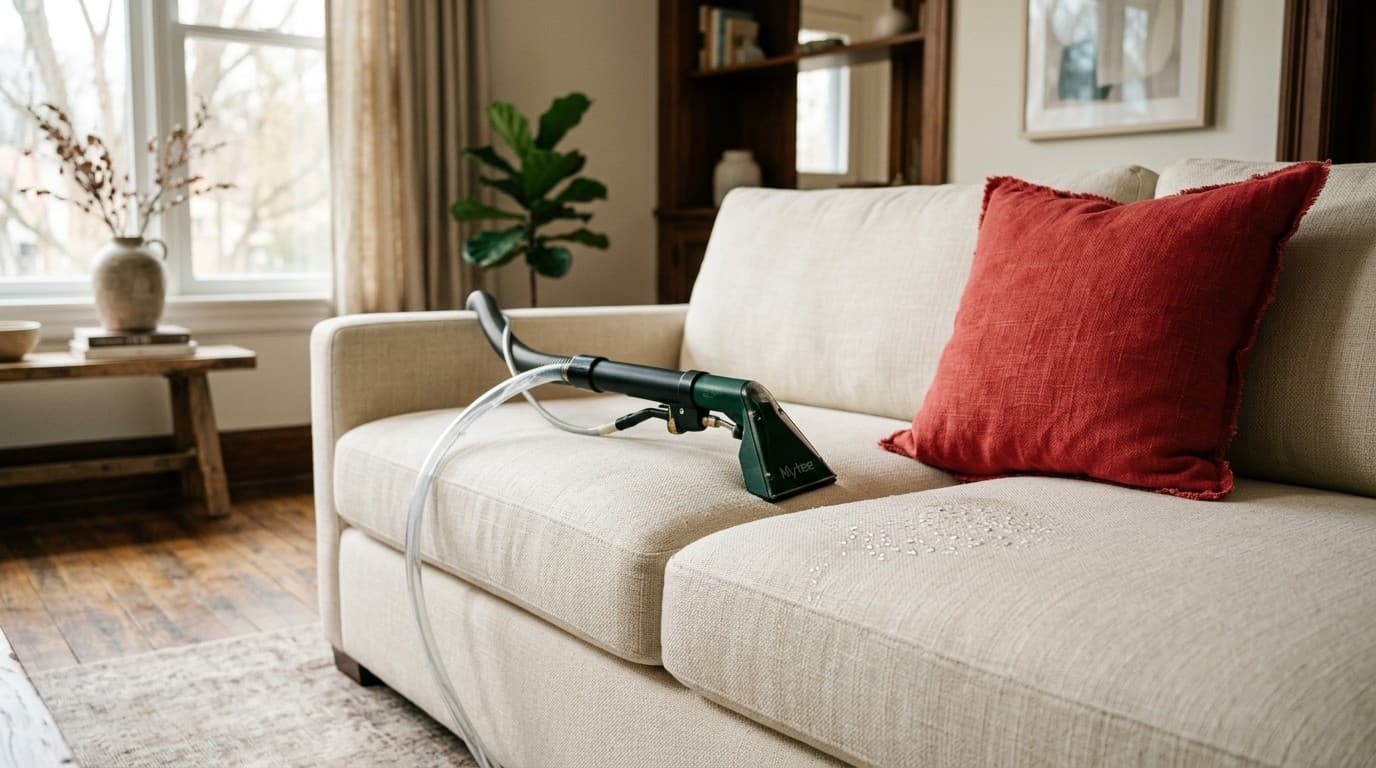
Furniture is not carpet lying sideways
The most common mistake, made by both homeowners and some cleaning companies, is treating a couch like a piece of carpet you happen to sit on. It is not, and cleaning it that way is how furniture gets damaged.
Carpet is a dense fiber over a pad, built to take heavy heat and hard suction. A couch is a stack of different materials, a decorative fabric over foam or fiber fill over a frame that is often wood, particleboard or webbing. Each of those layers reacts differently to water and heat, and the whole assembly holds moisture far longer than carpet does because air cannot move through it the same way. Push carpet-grade water and suction into a sofa and you soak the fill, wet the frame and invite the exact musty smell you were trying to remove.
I am Peter De Leon, and After Effects is an owner-operator carpet and floor care company in Barnegat, working across Ocean, Monmouth and Mercer County. Upholstery is one of the surfaces people most often ignore until the couch looks worse than the floor around it, and it is one where the method has to change completely from the carpet on the same visit.
What comes out of a cushion that a vacuum never reaches
The reason a professional clean looks so different from your own vacuuming is that most of what is in a couch is below the surface, held in the fill where a vacuum has no way to reach it.
A cushion works like a filter. Every time someone sits down, air is pushed out, and when they stand up, air and the fine dust, skin cells, pet dander and pollen floating in the room get pulled back in and settle into the foam. On top of that, the fabric itself absorbs body oil from skin and hair, sweat in summer, and whatever gets tracked in on hands and clothes. A shore house adds sand and salt to that mix, and a rental or a turnover property adds the residue of everyone who used it before.
None of that is on the surface where a vacuum runs. It is worked down into the weave and the fill, which is why a couch can look only slightly dirty and still release a startling amount of soil into the extraction water. The vacuum removes the loose top layer. Professional cleaning is about the layer underneath it.
The pre-inspection: fabric, filling, and what the frame will tolerate
Before any water touches the couch, the real work is figuring out what the piece can safely take, because upholstery covers a huge range of materials and the wrong method ruins some of them.
The first thing to check is the manufacturer cleaning code, usually on a tag under a cushion. That single letter is a shorthand for whether the fabric can take water at all, and it is the difference between a clean and a set-in ring or a shrunk cover. It is important enough that it is worth understanding on its own, and it decides most of what happens next.
The second step is a test in a hidden spot. A small, inconspicuous area gets tested for colorfastness and for how the fabric responds, because a couch that bleeds dye or waterspots is telling you something you need to know before the whole cushion is wet, not after. We also check the fill and the frame: whether the padding is foam or fiber, whether the frame is solid or the kind of engineered board that swells if it gets wet. All of that decides how much moisture the piece can tolerate, and a good cleaner adjusts to the couch rather than running the same setting on everything.
Extraction on furniture, and how the suction differs
The cleaning itself is hot-water extraction, the same principle used on carpet, but scaled down in every dimension so it is safe on furniture. A cleaning solution matched to the fabric is applied and given time to break down the oil and soil, then a hand tool injects a controlled amount of warm water and immediately vacuums it back out along with everything it has loosened.
The differences from carpet are all about control. The tool is smaller and designed for the contours of a cushion and the tight seams and piping where soil collects. The moisture is dialed down, because the goal is to clean the fabric and the top of the fill without saturating the padding beneath it. And the passes are more deliberate, because the suction has to pull the water back out of a soft, absorbent surface rather than off a dense one. Done right, the fabric is cleaned deeply and the inside of the cushion never gets soaked.
This is also where honesty about equipment matters. A rental machine or a shop vac does not have the heat or the extraction power to pull that water back out of a cushion, which is exactly how a well-meaning DIY clean leaves a couch wet for two days and smelling worse than it started. The extraction, not the spraying, is the part that actually cleans.
Drying a couch without soaking the frame
Drying is not an afterthought on upholstery, it is the whole reason the moisture is controlled in the first place, because a couch that stays wet inside is a couch that grows the smell you paid to remove.
Because the water going in is limited and most of it is pulled straight back out, a properly cleaned couch should be touch-dry within a few hours and fully dry within a day, faster with airflow across it. That is a very different outcome from a saturated cushion, which can hold moisture deep in the foam for days where you cannot feel it, and that trapped moisture is the classic source of a musty sofa.
In a humid shore summer this matters even more, because the air itself dries things slowly. Good drying here means cross-ventilation, a fan, or air conditioning running while the couch finishes, not a closed-up room. If a cleaner leaves you with a heavy, damp couch and no plan for drying it, the job was not finished correctly.
What to move, and what to expect on the day
A couch clean is a short, low-disruption job, and knowing the sequence makes it easier to plan around. First, clear the piece: cushions come off and get cleaned separately on both sides, and anything stored underneath or tucked in the sides gets removed. Second, the couch is vacuumed thoroughly to pull the loose surface soil before any water is introduced, because wetting loose dirt just turns it into mud in the weave.
Third comes the pre-treatment and the extraction, cushions and body, seams and piping included. Fourth, the piece is groomed and set to dry, cushions stood on edge or spaced so air can reach all sides rather than lying flat where the underside stays damp. The active work on a single sofa is usually well under an hour; the drying is what takes the rest of the day.
What you should expect afterward is a couch that looks refreshed and smells clean, not one that is soaked or stiff. If there were true stains rather than general soil, some may lift completely and some may not, which is the honest part of the conversation and the next section.
When the honest answer is that the fabric is done
Not everything comes out, and the most useful thing a cleaner can tell you is when a mark is permanent rather than dirty, because paying to clean something that cannot be cleaned helps nobody.
General soil, body oil and most food and drink lift well. What does not are the things that have changed the fabric itself: dye that has bled into a light cover, sun-faded panels where the color is gone rather than dirty, and old stains that were set with heat or the wrong home remedy long before we arrived. Foam that has broken down with age is a replacement, not a cleaning. In those cases the right answer is to say so up front.
That is the same standard we hold on every floor in the house. A clean that restores a couch is worth doing; a clean sold as a fix for damage it cannot repair is not. If your couch is genuinely just tired and soiled, professional upholstery cleaning will surprise you. If it is worn through or the color is gone, the honest answer saves you the money.
Related reading:
Want it done right the first time?
After Effects has restored carpets and floors across the Shore for over 30 years. Send a photo and get a free, firm quote at your door.
Quick answers
People also ask.
A pre-inspection of the fabric code, fill and frame, a colorfast test in a hidden spot, a thorough dry vacuum, a fabric-matched pre-treatment, then hot-water extraction with a hand tool that uses controlled heat and low moisture and immediately vacuums the water back out. It finishes with grooming and setting the piece to dry. The extraction, not the spraying, is the part that removes the soil embedded in the cushion fill.
A couch is a stack of fabric, foam or fiber fill and a frame, and it holds moisture far longer than carpet, so upholstery cleaning uses a smaller tool, less water and gentler, more controlled extraction. Carpet takes heavy heat and hard suction over a dense fiber and pad. Using carpet-grade water and suction on a sofa soaks the fill and the frame, which is how furniture gets damaged rather than cleaned.
A properly cleaned couch should be touch-dry within a few hours and fully dry within a day, faster with a fan or air conditioning moving air across it. Because a professional clean limits the water going in and pulls most of it straight back out, the fill never saturates. A couch that stays wet for days was over-wet or under-extracted, and that trapped moisture is the usual cause of a musty smell.
You do not have to, because a thorough dry vacuum is the first step of the job itself and it happens before any water is introduced. Wetting loose surface dirt turns it into mud in the weave, so vacuuming first is essential and a professional will always do it. Clearing the cushions and anything tucked in the sides beforehand does help the visit go faster.
General soil, body oil and most food and drink lift well, but some marks are permanent because they changed the fabric itself: bled dye, sun-fading where the color is gone rather than dirty, and old stains set with heat or a home remedy. Broken-down foam is a replacement, not a cleaning. A good cleaner tells you which marks are dirt and which are damage before charging you to try.
No, and that is why the fabric code and a hidden-spot test come first. Some upholstery fabrics are water-safe, some can only be cleaned with a solvent-based method, and some can only be vacuumed. Using water on a fabric that cannot take it causes rings, shrinkage or dye bleed. Checking the code and testing an inconspicuous area before cleaning is what prevents that.
Keep reading

The Letter on Your Couch Tag Decides How It Can Be Cleaned
Upholstery cleaning codes on the fabric tag, W, S, WS and X, decide whether your sofa takes water, solvent only, or vacuuming alone. Here is each one.
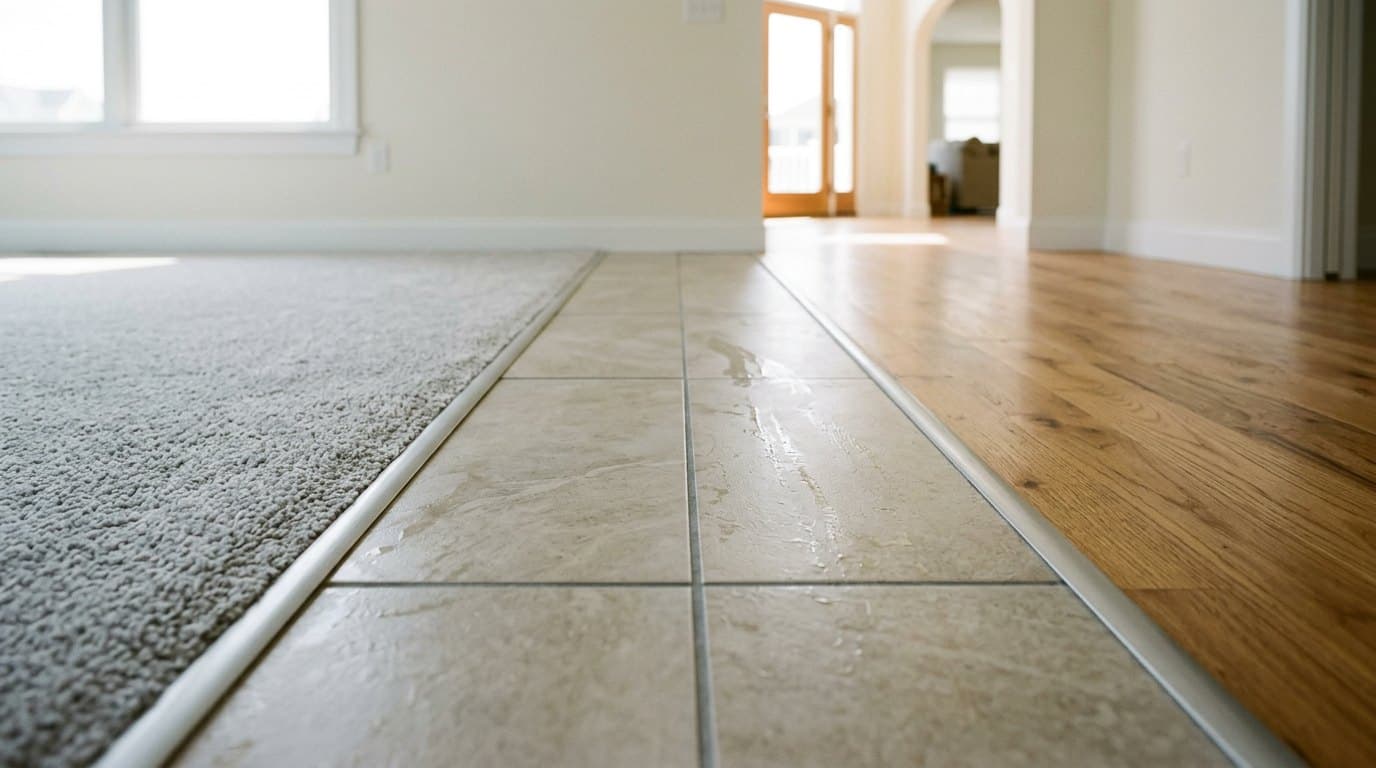
Floor Cleaning Services: What Each Surface Actually Needs
Most people search for a floor cleaning service, not a carpet cleaner, and then find every company only does one surface. Carpet, tile and grout, hardwood, vinyl and area rugs each need a different method. Here is what each one actually takes.