
August 25, 2026 · 9 min read
After Effects Carpet Cleaning
Floor Cleaning Services: What Each Surface Actually Needs
Floor cleaning is not one job with one machine. Carpet is cleaned by pulling soil out of a fiber, tile and grout by getting soil out of a porous line that sits below the tile, hardwood by cleaning a finish without soaking the wood, and vinyl by working seams and edges that hold what the middle of the plank does not. The method has to change with the surface, and using the wrong one is how floors get damaged rather than cleaned.
Why one house usually needs more than one method
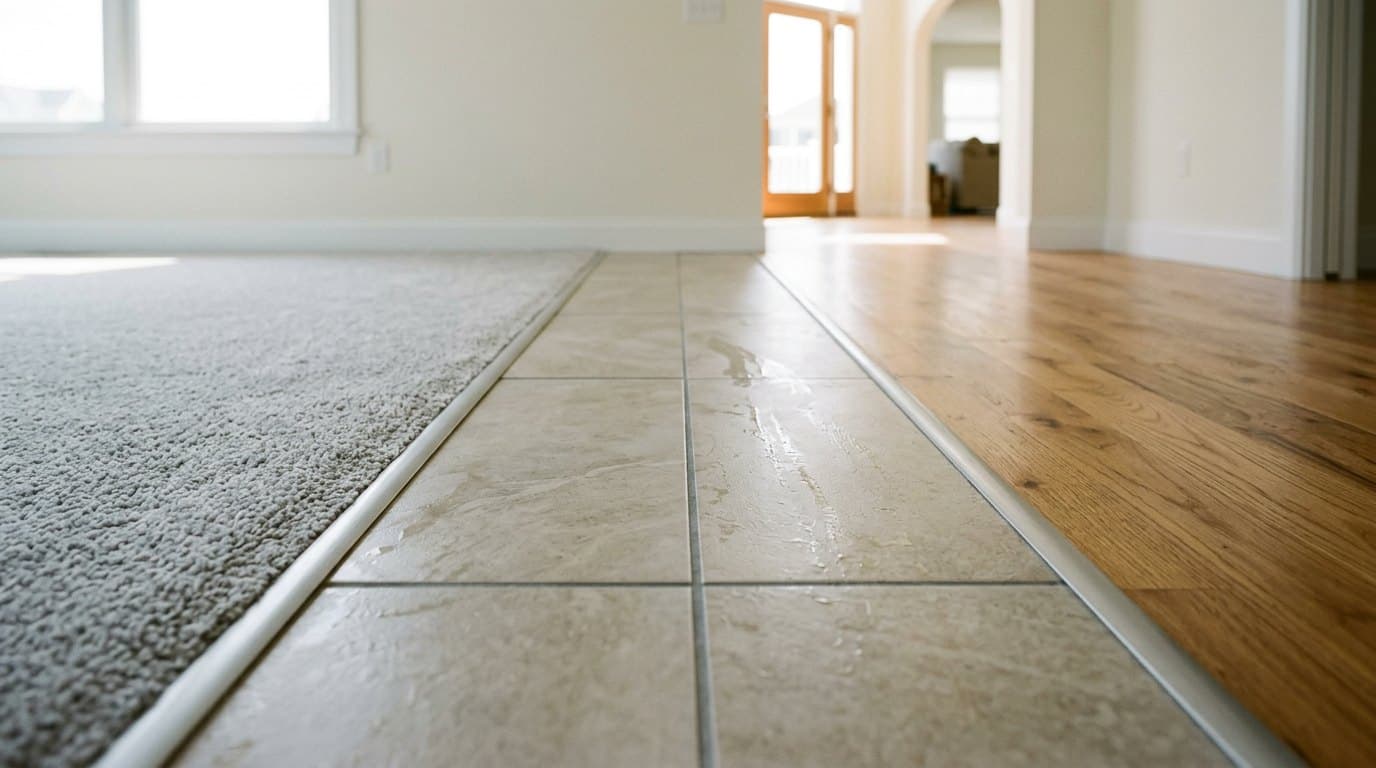
A typical shore-area home has carpet in the bedrooms, tile in the kitchen and baths, hardwood or luxury vinyl through the living areas, and a rug or two on top of that. Four surfaces, four different problems, and they are usually dirty at the same time.
The trouble is that most companies are set up for exactly one of them. Carpet cleaners who will not touch hardwood. Hard-surface specialists who do not own an extraction wand. So the homeowner ends up coordinating two or three vendors for what is really one afternoon of work, and each one only sees their own part of the floor.
That is the reason people type floor cleaning service rather than the name of a specific method. They are describing the actual problem, which is the floor, not the equipment it happens to need.
Carpet: heat, dwell time and extraction
Carpet is cleaned by hot water extraction, and the three variables that matter are heat, dwell time and how much of the solution comes back out.
Heat makes the chemistry work faster. Dwell time is the gap between applying a solution and extracting it, and cutting that gap short is the single most common reason a professional clean underperforms. The extraction itself is the part a rental machine cannot match. If more solution goes into the carpet than comes back out, you have not cleaned it. You have moved the soil down toward the backing, where it wicks back to the surface as the carpet dries.
That wicking is what people mean when they say a stain came back a few days later. The mark was never fully removed, it was pushed below the visible fiber and then travelled back up with the moisture.
Tile and grout: the mop is the reason it still looks dirty
Grout is porous, and it sits lower than the tile on either side of it. Those two facts explain almost everything about why tile floors look dull after mopping.
A mop pushes dirty water across a hard, sealed tile face and then parks that water in the lowest and most absorbent line in the room. The tile comes up clean. The grout takes a fresh deposit every time.
Shifting that takes heat, a dwell time long enough for the chemistry to act, and pressurised extraction that pulls the loosened soil back out of the pore rather than spreading it. A brush and a spray bottle clean the top of the grout while the soil discolouring it has already gone deeper.
Sealing afterwards is worth understanding properly. It does not make grout stain-proof. It buys you time to wipe a spill before it soaks in, and it wears, which makes it a maintenance item rather than a one-time fix.
Hardwood: you are cleaning a finish, not the wood
This is the surface where the wrong method does real damage, and where the instinct to use more water is exactly backwards.
On a finished hardwood floor you are cleaning polyurethane, not timber. Standing water finds the seams between boards, gets into the wood beneath the finish, and causes the edges of each board to swell. That is cupping, and it is a sanding job rather than a cleaning one.
The right approach uses very little moisture, a cleaner matched to the finish, and drying that happens in minutes rather than hours. Steam is not the answer here, whatever a machine on a shelf claims. Heat and moisture forced into a wood floor is the specific combination that ruins it.
There is also a threshold worth knowing before you book anyone. If the finish is worn through in traffic lanes and the grey you are seeing is bare wood rather than dirt, no cleaning will fix it. That is a refinishing conversation, and an honest answer is cheaper than a cleaning that cannot deliver.
Vinyl and LVP: the middle is fine, the edges are not
Luxury vinyl plank is genuinely tough, and that is why it gets neglected. The wear layer shrugs off water and most household spills, so the middle of a plank rarely looks bad.
The soil collects at the seams, along the edges, and in the texture. Manufacturers emboss vinyl to make it look like wood grain, and that texture holds a film that a mop glides straight over. Over time the floor develops a dull grey cast that reads as worn-out flooring when it is actually build-up.
It also collects a haze from the mop itself. Most floor cleaners leave a residue, that residue attracts soil, and each mopping adds another layer. Stripping that back is usually what makes a vinyl floor look new again, and it is a different job from cleaning a fresh spill.
Area rugs: cleaned in your home
Rugs are the surface people most often forget until the floor around them looks better than they do.
We clean area rugs in place, in your home, rather than taking them away. That matters for a practical reason: a rug you can watch being cleaned is a rug you still have that evening, and there is no handover, no ticket and no waiting.
It is also worth being clear about the limit. In-home cleaning is the right answer for the large majority of household rugs. It is not a full-immersion wash pit, so a delicate antique or a rug with heavy contamination throughout may need something different, and we will say so rather than take the job.
What to ask before you book anyone
Ask which surfaces they actually clean, and whether it is the same crew and the same visit. If tile means subcontracting it out, that is worth knowing before the day.
Ask what happens to the water. Extraction is the difference between cleaning a floor and redistributing what is on it, and any company that cleans carpet properly will answer that question easily.
Ask what they will not do. A company that tells you a floor is beyond cleaning, or that a mark is permanent colour loss rather than a stain, is giving you the most useful information available. The alternative is paying for a result that was never possible.
Ask about drying. On carpet you want hours, not a day. On hardwood you want minutes.
How we work
After Effects is based in Barnegat and works across Ocean, Monmouth and Mercer County. Carpet, tile and grout, hardwood, vinyl and area rugs are all in-house, which means one crew, one visit and one person to call if something is not right.
It also means the recommendation is not shaped by the only machine on the truck. If your tile needs cleaning and your hardwood needs refinishing rather than cleaning, that is what we will tell you.
Related reading:
Want it done right the first time?
After Effects restores carpets and floors across Ocean County and the Shore. Send a photo and get a free, firm quote at your door.
Quick answers
People also ask.
It depends on the company, which is the problem. A full-service floor cleaner should handle carpet, tile and grout, hardwood, vinyl and area rugs, because each needs a different method and most homes have several. Many companies only do one surface, so it is worth asking directly before booking rather than assuming.
Yes, but only with different equipment and a completely different approach. Carpet is cleaned with heat and heavy extraction, while hardwood needs very little moisture because you are cleaning a finish rather than a fiber. A company that treats both the same way is a company to avoid.
Most households do well on an annual clean, moving to every six months with pets, kids or a sandy shore-area entry. Tile and grout can usually stretch longer than carpet, since the soil is concentrated in the grout lines rather than spread across the whole surface.
Because a mop pushes dirty water across sealed tile and then deposits it in the grout, which is porous and sits lower than the tile beside it. The tile ends up clean and the grout takes a fresh deposit. Only heat, dwell time and pressurised extraction pull that soil back out of the pore.
No. Heat and moisture forced into a wood floor is the specific combination that causes boards to swell and cup at the edges, and that is a refinishing job rather than a cleaning one. Hardwood should be cleaned with minimal moisture and a product matched to the finish.
In your home. The rug is cleaned in place, so there is no pickup, no drop-off and no waiting to get it back. For a delicate antique or a rug with heavy contamination throughout, we will tell you if it needs something we do not offer rather than take the job.
Keep reading
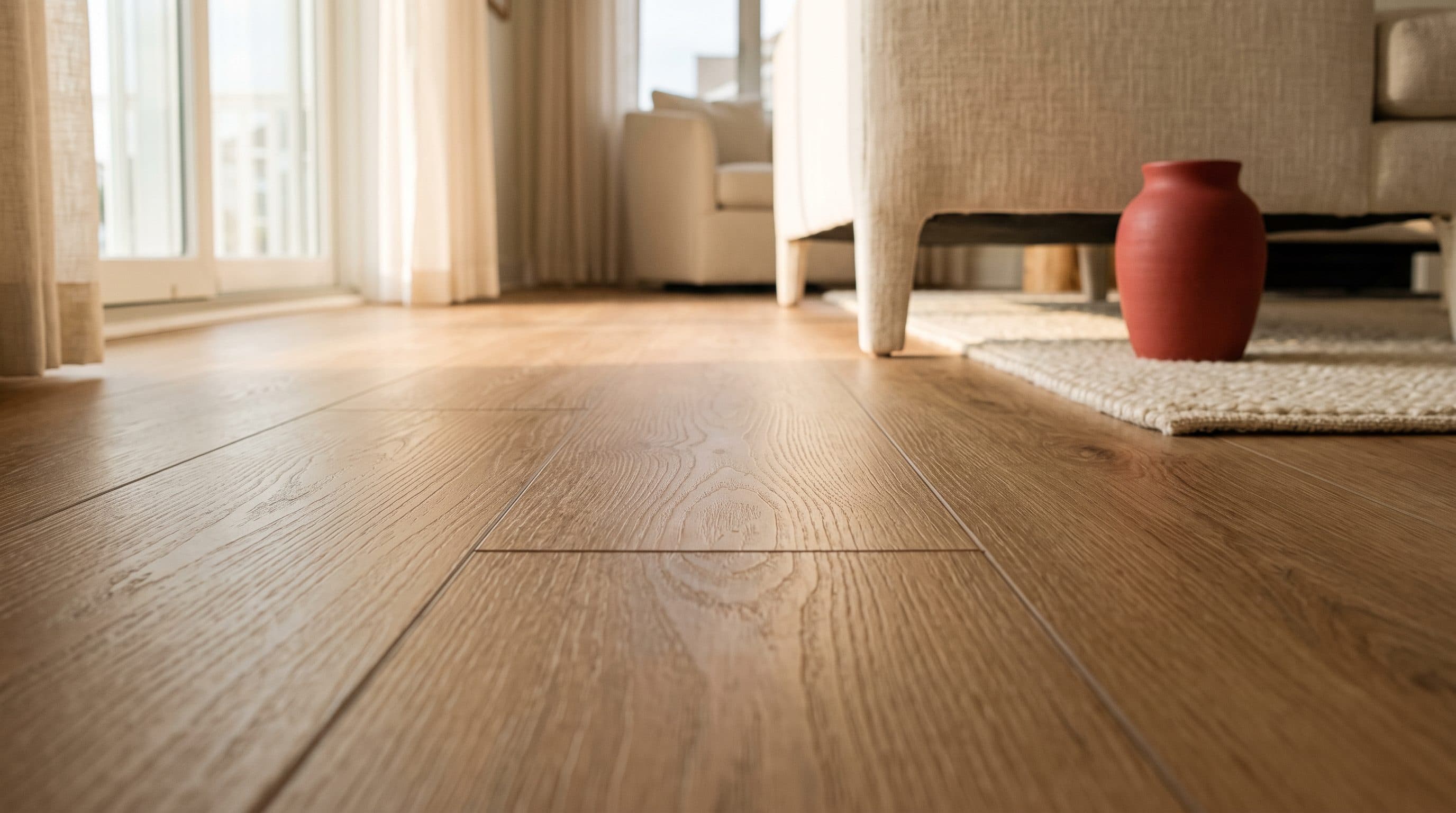
How to Deep Clean Luxury Vinyl Plank Floors
Dry soil first, a barely damp mop with a neutral cleaner, and never a steam mop. Why LVP goes cloudy, what damages it at the shore, and how we clean it.
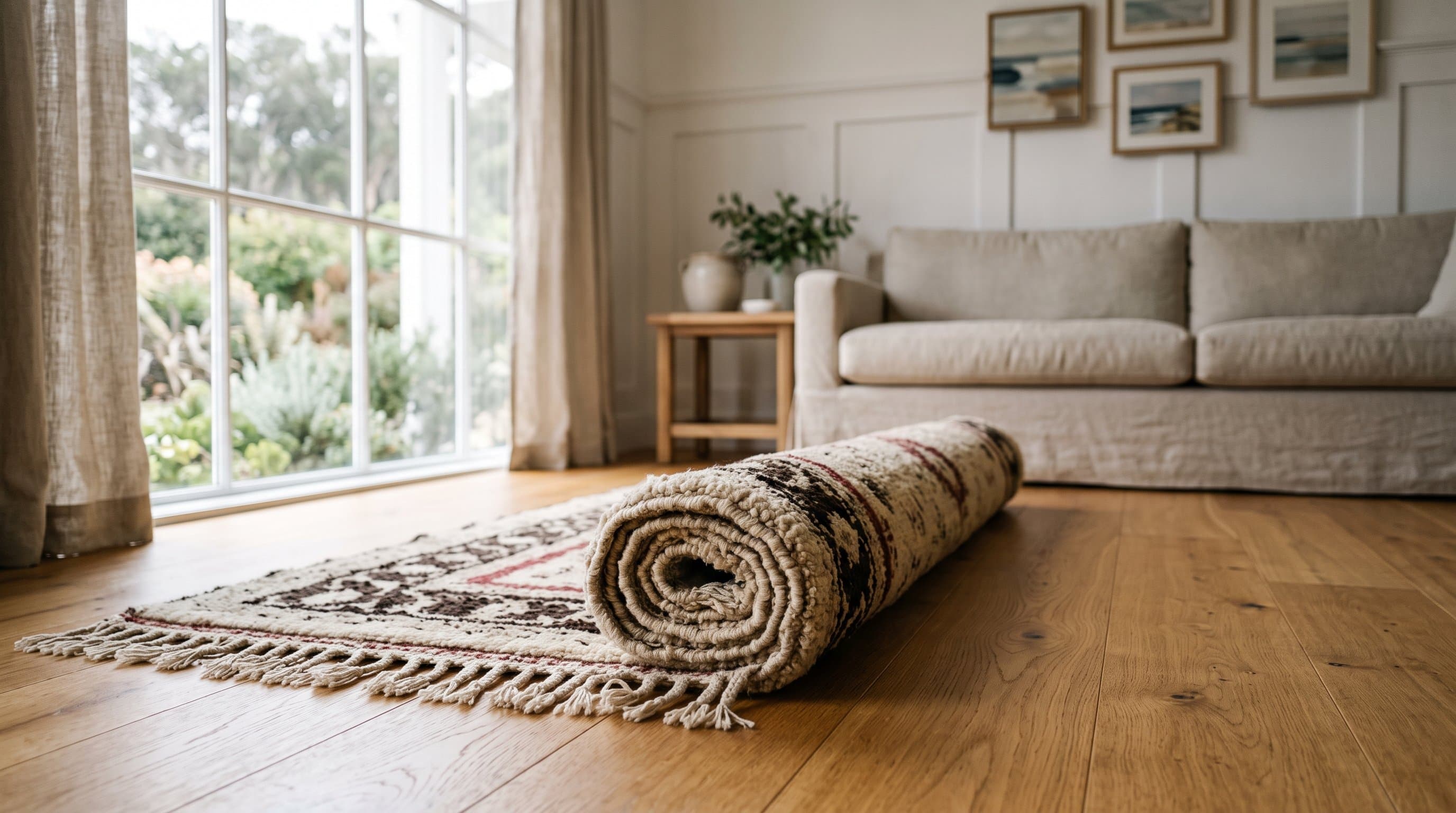
Can You Take an Area Rug Somewhere to Be Cleaned?
We clean area rugs in your home, not at a depot. What in-place cleaning reaches, which rugs genuinely need a plant wash instead, and what is going on with the floor underneath.