October 28, 2026 · 8 min read
After Effects Carpet Cleaning
Carpet Cleaning for Allergies: What Comes Out of the Pile
Carpet cleaning removes allergens that are sitting in your carpet. That is the whole honest claim, and it is the only one we will make. It does not treat anybody's allergies and it does nothing about what blows back in next week. The EPA's asthma trigger guidance, last updated on July 6 2026, says every home has dust mites and lists carpets alongside mattresses, pillows, upholstered furniture and bedcovers as the places they live, and says their body parts and droppings can trigger asthma in people who are allergic to them. A hot water extraction flushes that debris out of the pile. What it cannot do is any of the other surfaces in the room, and we would rather you heard that from us than found it out after paying.
What extraction physically takes out
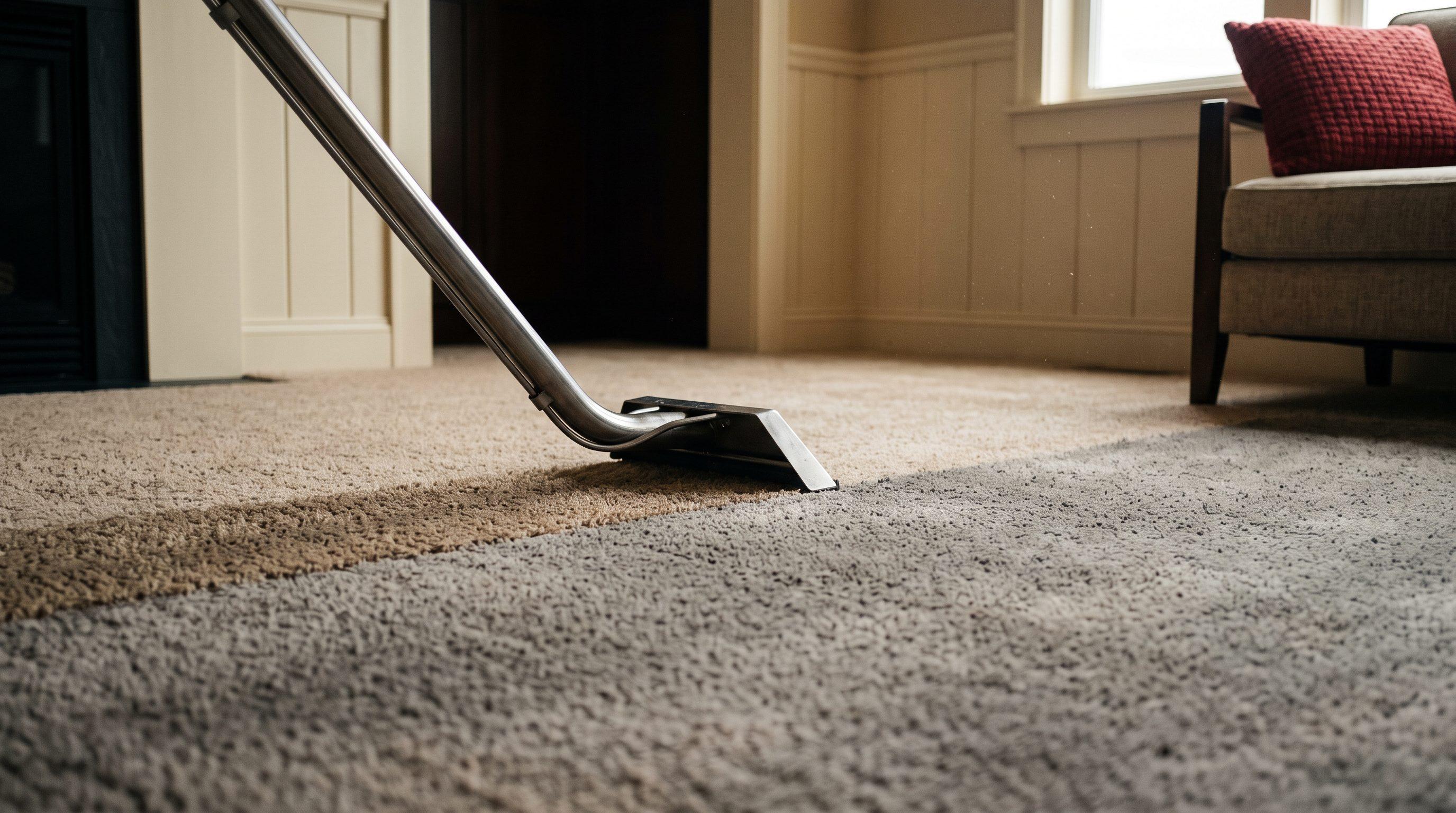
Our carpet work is truck-mounted hot water extraction, and it runs in a set order. The pile gets pre-treated with a solution that breaks the bond between soil and fibre. Trouble areas get worked separately, enzyme on pet spots and solvent on greasy traffic lanes. Then the extraction itself runs off the truck rather than a wall outlet, which means hotter water and a far stronger vacuum than any portable or rental machine can pull.
That last part is the whole mechanical difference, and it decides what actually leaves the house. A weak vacuum wets the carpet, lifts the soil off the fibre and then leaves most of it in the pad underneath. A truck mount flushes it out instead of pushing it deeper.
What comes out with it is ordinary house dust and everything riding in it: the mite body parts and droppings the EPA guidance describes, skin flakes and hair from the dog, pollen and sand walked in on bare feet all summer. We are describing what the machine removes from a carpet. We are not describing what happens to a person afterwards, because that is not ours to say.
The pile gets groomed after the pass so it stands upright and dries, which on a normal job is 4 to 8 hours.
The part nobody tells you: a clean carpet is one surface
Read the EPA's own list again. Mattresses, pillows, carpets, upholstered furniture, bedcovers, clothes, stuffed toys and fabric-covered items. We clean two things on that list.
So if the carpet gets flushed and the bedding has not been washed in a month, the room has been partly addressed and that is all. The same EPA page, updated July 6 2026, tells people to wash bedding in hot water once a week and dry it completely, to put dust-proof covers on pillows and mattresses, and to vacuum carpets and furniture every week using a vacuum with a HEPA filter to reduce dust build-up.
None of that is our work. All of it costs less than we do. We would rather point at it than sell a single carpet cleaning as the answer to a problem that lives on six surfaces.
Upholstered furniture is the one on that list that most people skip and that we can actually do, and a sofa nobody has ever cleaned is holding years of the same dust the carpet was.
At the shore the real risk is how long it stays wet
This is where we will argue with the way the question is usually framed. Around here the thing most likely to make an allergy situation worse is not dirty carpet. It is a carpet that was cleaned badly and left damp.
The EPA guidance is blunt about the mechanism: keep indoor humidity ideally between 30 and 50 percent relative humidity, and dry damp or wet things completely within one to two days to keep mould from growing. For people sensitive to moulds, that page says, inhaling the spores can trigger an asthma attack.
Now put that in a Barnegat or Waretown house in August, or a rental on the LBI corridor between turnovers. Windows shut, salt air, the humidity already high before anyone touched the floor. A rental machine soaks the pad and has nowhere near the vacuum to pull it back out, and that carpet can sit damp well past the window the EPA describes. We have been called into houses to fix exactly that, where the complaint started the week after somebody did it themselves.
Drying is not a detail of the job. On a humid week it is the job. That is most of why we care about what a truck mount pulls out versus what a box-store unit leaves behind.
Practically, that means keep the air moving while it dries and do it with the air conditioning or a fan rather than an open window. Outdoor air at 80 percent humidity does not dry a carpet. It feeds it.
The order we would do it in
If somebody in the house has allergies and you asked us where to spend first, we would not start with us.
Start with the weekly things the EPA page lists, because they are free or close to it and they happen 52 times a year instead of once: the bedding in hot water, covers on the pillows and mattress, a HEPA vacuum over the carpets and the furniture every week.
Then book the carpet and the upholstery together, because they are the two items on that list that need a machine nobody owns. Doing the sofa on the same visit as the floor costs less than two trips and takes the surface people actually sit on out of the equation.
What we will tell you at the walk-through is what is in your particular carpet and whether it is worth flushing or past it. Sometimes the honest answer is that a twenty year old pad in a rental is the problem and no amount of cleaning fixes a pad. We will say so.
Want it done right the first time?
After Effects restores carpets and floors across Ocean County and the Shore. Send a photo and get a free, firm quote at your door.
Quick answers
People also ask.
We describe removal rather than killing, and that is deliberate. Hot water extraction flushes house dust out of the pile, and the mite body parts and droppings the EPA guidance names as the allergen go out with it. A kill claim is a different kind of statement and we are not making one. The EPA's own framing of control is reducing dust build-up, which is why that page pairs weekly vacuuming with washing bedding in hot water.
It will wet the carpet. The problem is the second half of the job. A portable or rental unit has a fraction of the vacuum a truck-mounted system pulls, so it tends to leave water in the pad, and the EPA guidance says to dry damp things completely within one to two days to keep mould from growing. On a humid shore week that is a hard window to hit with a machine that cannot extract properly. Getting the dust out and leaving the water behind is not a trade we would make.
We are a carpet company, so take this for what it is worth: we do not have data on that comparison and we are not going to invent some. What we can tell you is that the EPA trigger list has carpets on it and also has mattresses, pillows, upholstered furniture, bedcovers, clothes and stuffed toys on it, so pulling up a carpet does not empty the room. How often a surface gets properly cleaned is the part you control.
Keep reading
New Carpet Is Down: When Can the Furniture Go Back?
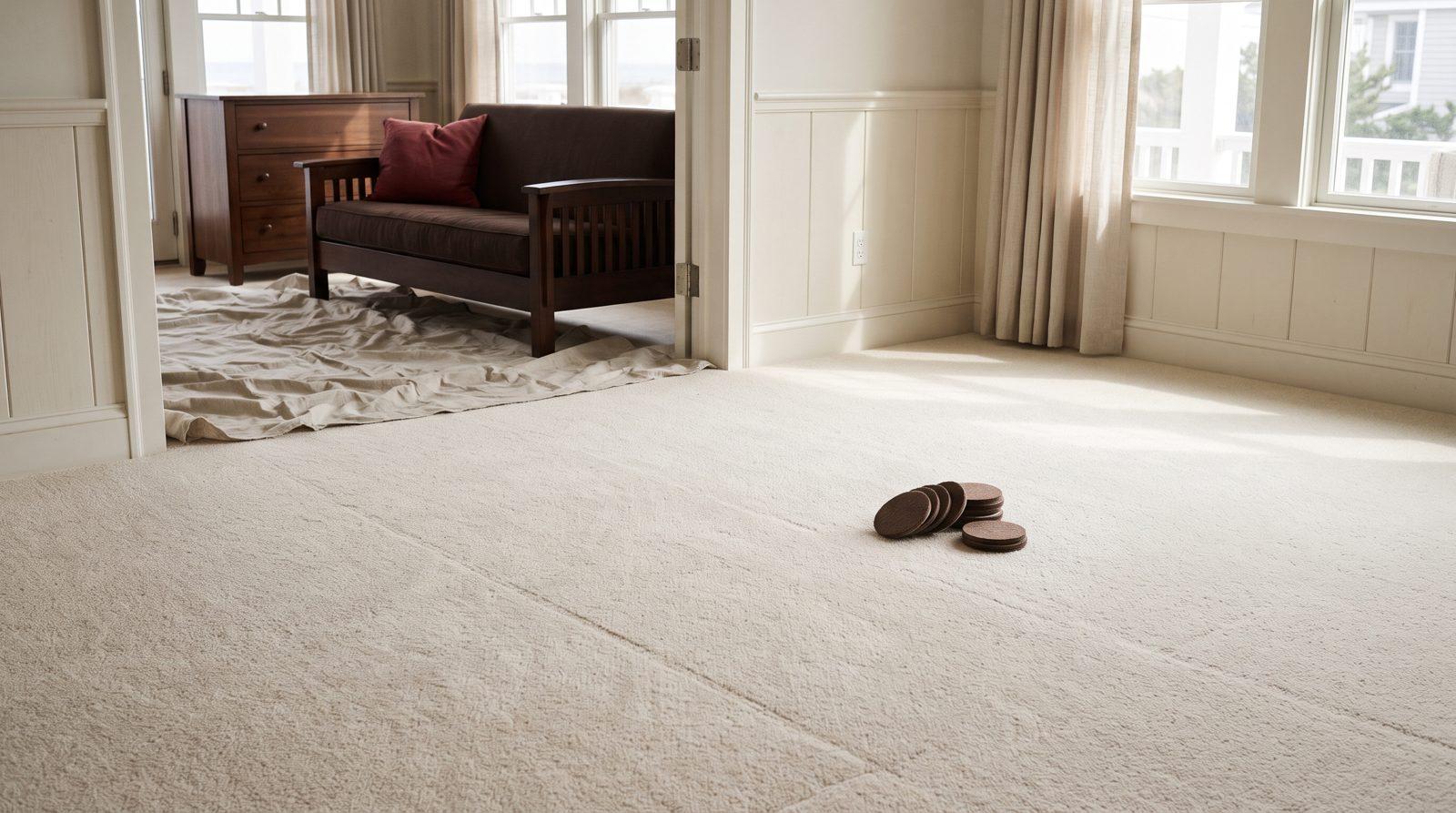
When to move furniture after carpet installation: light pieces go back the same day. Give heavy ones a day and check the seams before anything covers them.
Is Carpet Protector Worth It on a Shore-House Carpet?
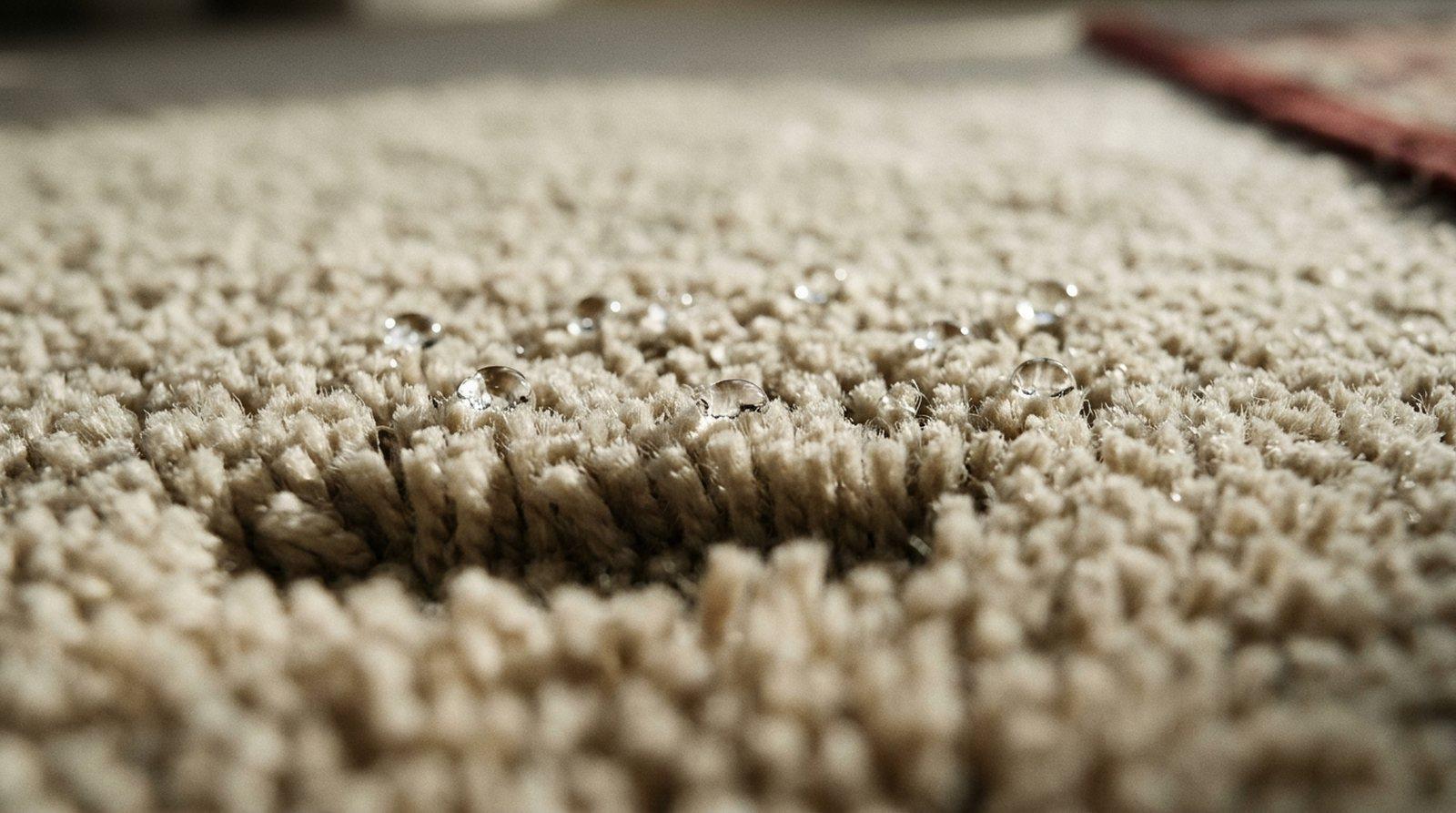
Carpet protector buys you time to blot a spill. It does not seal the carpet. What it does, what it will not do, and the warranty line to read first.