June 9, 2026 · 5 min read
After Effects Carpet Cleaning · Updated August 19, 2026
Carpet still smells after cleaning? Here's why — and the fix
If your carpet smells again a few days after cleaning, the odor source was masked, not removed. The most common cause is pet urine that has soaked through the carpet into the pad and subfloor. A surface deodorizer covers it for a few days, then humidity reactivates the salts and the smell returns. The fix is enzyme treatment that breaks down the urine at the source, followed by hot water extraction.
Why the smell comes back
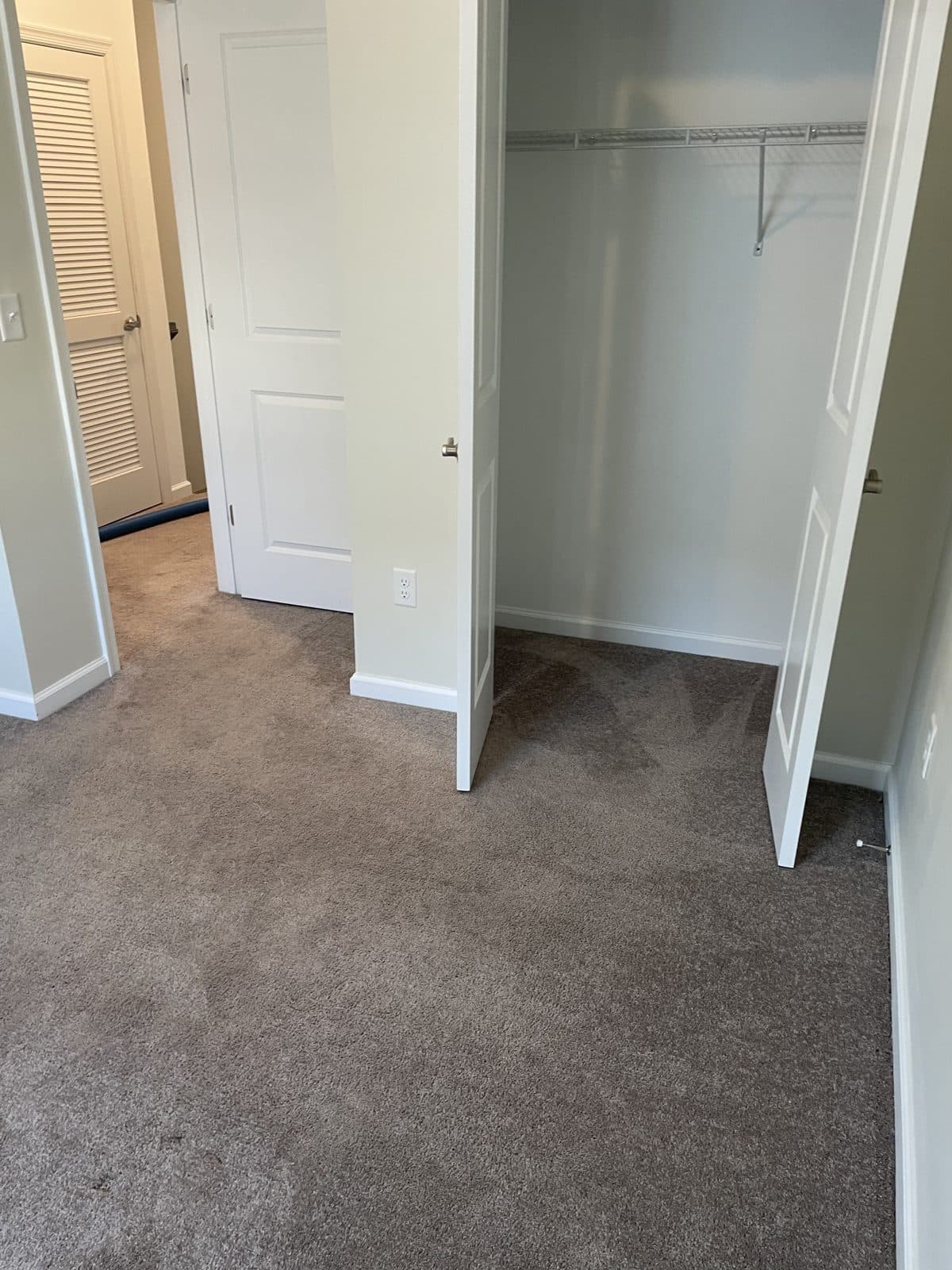
Pet urine does not sit on top of the carpet. It passes through the pile, into the pad, and often into the subfloor below. As it dries it leaves behind crystallized salts, and those salts pull moisture out of the air. Every humid day (and shore-area summers are full of them) the crystals reactivate and the ammonia smell returns.
A scented spray or a surface shampoo only treats the top of the pile. It smells clean for a few days while the fragrance lasts, then fades and leaves the real problem untouched. That is why so many people think their carpet 'just smells': the source was never reached.
How odor is actually removed
Enzyme treatment is the difference. Enzymes break down the urine proteins and salts into compounds that rinse away, instead of covering them. The treatment has to be applied to every affected layer (pile, pad, and sometimes the subfloor), which means we find the spots first, often with a UV light.
After the enzymes do their work, our truck-mounted hot water extraction flushes the broken-down residue out of the carpet entirely. Surface sprays cover the smell for a week; extraction removes the source. That is the whole game.
What you can do before we arrive
Blot fresh accidents, never rub. Rubbing drives the urine deeper and spreads it. Avoid store-bought 'pet odor' sprays that contain fragrance; they make professional treatment harder by adding residue. Keep the area ventilated, and tell us where the trouble spots are so we treat the pad, not just the pile.
Want it done right the first time?
After Effects restores carpets and floors across Ocean County and the Shore. Send a photo and get a free, firm quote at your door.
Quick answers
People also ask.
It can remove it for good when the urine is treated at the source. Enzyme pre-treatment breaks down the salts in the pile and pad, then hot water extraction flushes the residue out. Surface sprays only cover the smell temporarily; extraction removes it. The distinction that matters is where the urine went: an accident that stayed in the pile responds to surface treatment, but one that soaked through to the pad or subfloor has to be treated at that depth, which is what sub-surface extraction is for.
Dried urine leaves behind crystallized salts that absorb moisture from the air. On humid days those crystals reactivate and release the ammonia odor again. Until the salts are broken down and rinsed out, humidity will keep bringing the smell back. That is why the smell seems to vanish in dry winter air and return on the first muggy week of summer. The source never left; the humidity is just switching it back on. Along the shore, where damp air is the default, an untreated spot gets reactivated almost daily.
Occasionally, for severe or long-standing contamination. In most cases enzyme treatment and extraction resolve it. We assess honestly at the walk-through and tell you whether treatment will solve it or whether the pad needs attention. The tell is repetition: if the same spot has been properly treated and the odor still returns with humidity, the contamination usually sits below the carpet, and replacing that section of pad costs far less than replacing the room's carpet.
Keep reading
How to Deep Clean Luxury Vinyl Plank Floors
Dry soil first, a barely damp mop with a neutral cleaner, and never a steam mop. Why LVP goes cloudy, what damages it at the shore, and how we clean it.
Can You Take an Area Rug Somewhere to Be Cleaned?
We clean area rugs in your home, not at a depot. What in-place cleaning reaches, which rugs genuinely need a plant wash instead, and what is going on with the floor underneath.