July 20, 2026 · 8 min read
By Peter De Leon, After Effects Carpet Cleaning · Updated August 19, 2026
How Do You Get Dog and Cat Urine Out of Carpet for Good?
To get pet urine out of carpet for good, you have to treat all three layers it soaks into: the carpet face, the pad, and the subfloor. That means an enzyme application to break down the uric-acid salts, then truck-mounted hot water extraction at about 230 degrees to flush them out.
Why does the pet urine smell keep coming back?
Because the source was never removed, only covered. (Updated July 2026.) Dog and cat urine does not sit on the surface of the carpet where you can blot it. It passes straight through the pile, soaks into the pad underneath, and on a bad accident it reaches the subfloor below that. As the urine dries it leaves behind crystallized uric-acid salts, and those salts are the real problem. A scented spray or a rented shampooer only touches the top of the pile, so it smells fine for a few days while the fragrance lasts, then fades and leaves the crystals sitting in the pad exactly where they were.
Here on the Ocean County shore that comeback is worse than most places, and the reason is humidity. Uric-acid salts are hygroscopic, meaning they pull moisture out of the air. Every muggy bay-air afternoon in Barnegat or Toms River, those crystals draw in water, reactivate, and release that sharp ammonia smell all over again. That is why a carpet that seemed clean in April starts announcing the dog again in July. The smell is not new. It is the same old salts waking up in the wet air.
Where does dog and cat urine actually go in the carpet?
It goes into three separate layers, and that is the whole reason pet urine is harder to remove than a coffee spill. Layer one is the carpet face, the fiber you can see and feel. Layer two is the pad, the foam or rubber cushion stapled down under the carpet. Layer three is the subfloor, the plywood or concrete under the pad. A fresh, small accident might only reach the face. A repeat spot that a dog or cat keeps returning to, or one large accident that sat overnight, works its way down through all three.
This matters because every DIY tool works on layer one only. A paper towel, a spray bottle, a store rental machine, they all treat the fiber you can reach from above. Meanwhile two-thirds of the contamination, the part in the pad and the subfloor, never gets touched. That is the gap between a carpet that smells clean for a week and one that is actually clean. You cannot fix a three-layer problem with a one-layer tool.
Why don't sprays and rental machines get pet urine out?
Because they are surface tools aimed at a sub-surface problem, and most of them make it a little worse. Fragrance sprays add perfume on top of the smell without removing anything, and the leftover residue actually makes a real cleaning harder later because it has to be rinsed out first. Grocery-store rental machines run lukewarm water and the suction of a household vacuum, so they wet the carpet, loosen the top of the pile, and then leave most of that water, and the urine salts dissolved in it, sitting in the pad. Now the pad is damp and contaminated, which on a humid Shore day is how you get mildew on top of the pet smell.
The other trap is enzyme cleaners bought off the shelf. The enzymes themselves are the right idea, but a spray bottle cannot deliver enough of the product deep enough into the pad, and it cannot flush the broken-down waste back out. So you get partial results, the smell drops for a bit, and then it climbs back. The chemistry was right. The delivery and the extraction were not.
What makes truck-mounted pet-urine removal different?
Two things a rental cannot match: heat and recovery, plus a tool built to reach the pad. My truck-mounted system heats water to roughly 230 degrees Fahrenheit, far past the lukewarm a rented machine can hold, and hot water is what actually re-dissolves crystallized uric-acid salts and releases the urine's grip on the fiber. Cool water just smears it around. That heat is the first half of the job.
The second half is a sub-surface extraction tool. On a heavy pet spot I do not just run a wand over the top of the carpet. A sub-surface tool floods the affected area and pulls water down through the carpet, through the pad, and off the subfloor, then recovers the vast majority of it in the same pass. That is what carries the dissolved salts up and out of all three layers instead of leaving them in the cushion. And before any of that, the affected spots get an enzyme pre-treatment: enzymes chemically break the urine proteins and uric-acid crystals down into compounds that rinse away instead of reactivating. Enzyme to break it down, heat to dissolve it, sub-surface extraction to flush it out. Skip any one of the three and the smell comes back.
How do you get pet urine out of carpet for good, step by step?
Here is the exact order that works, whether I run it or you are handling a fresh accident yourself before I arrive. Step one: find every spot. Old urine glows under a UV light in a dark room, so a black light finds the stains a nose can smell but an eye cannot see, including the repeat spots a cat keeps hitting. Step two: pre-treat with a real enzyme product worked into the pile over the whole contaminated area, not just the visible ring, and let it dwell so the enzymes have time to break the salts down.
Step three: apply heat. Truck-mounted hot water at around 230 degrees re-dissolves the crystals the enzymes loosened. Step four: extract sub-surface. On anything beyond a light surface spot, pull the water down through the pad and off the subfloor and recover it, so the dissolved contamination leaves the carpet instead of drying back into the cushion. Step five: dry it out. Good recovery leaves the carpet damp, not soaked, and airflow finishes it, because trapped moisture in the pad is its own odor problem. Step six: re-check with the UV light and the nose once it is dry, and re-treat any spot that did not fully clear. That last check is what separates a job that holds from one that smells again in August.
What can you do before the van shows up?
A few things help the final result, and a couple of common moves quietly make it harder. Do these:
Blot fresh accidents, never rub. Press a clean towel straight down to lift the liquid. Rubbing drives the urine deeper into the pad and spreads a small spot into a big one.
Skip the fragrance sprays. Perfumed pet-odor sprays leave residue that has to be rinsed out before a real treatment can work, so they add a step instead of saving one.
Keep the room ventilated. Open a window and move air across the spot to slow the salts from setting while you wait.
Mark the spots you know about. A piece of painter's tape near each accident spot, especially the repeat ones, means nothing gets missed at the walk-through.
Tell me the history. Whether it is one puppy accident or a cat that has used the same corner for a year changes how deep the treatment has to go, so the honest version helps me price and plan the job right.
Does the pad or subfloor ever have to be replaced?
Occasionally, and I will tell you straight if that is the case instead of selling you a cleaning that cannot win. For the vast majority of dog and cat accidents, even repeat spots, enzyme treatment plus hot water sub-surface extraction fully resolves the odor and the stain. The times it does not are severe, long-standing contamination where a pet used the same spot for months or years and the pad and subfloor are saturated. In those cases the most honest fix can be cutting out and replacing a section of pad and sealing the subfloor before new carpet or the existing carpet goes back down.
I make that call at the walk-through, not over the phone, because it depends on how far the urine traveled and how long it sat. If a cleaning will solve it, that is what we do. If the pad is beyond saving in one area, I would rather replace that piece than take your money for an extraction that leaves the smell in the wood. Either way you get the truth about what it takes.
Ready to get the pet smell out for good?
Whether it is one accident in the family room or a repeat spot that has embarrassed you for a year, the fix is the same three-part job: enzyme, heat, and sub-surface extraction that reaches the pad and subfloor, not just the fiber. I am After Effects Carpet Cleaning, owner-operated out of Barnegat and working the whole Ocean County shore, from Waretown and Manahawkin down the LBI corridor and up through Toms River, Brick, and Lakewood. You can see before-and-after pet and stain jobs on the portfolio page, read more on the related article about why a carpet still smells after cleaning, and check the carpet cleaning service page for what a full extraction covers. Send a photo of the spot and I will give you a firm price at the door, with no travel charge anywhere on the route. Get a free estimate through the contact form, or call or text me at 609-342-3183.
Want it done right the first time?
After Effects has restored carpets and floors across the Shore for over 30 years. Send a photo and get a free, firm quote at your door.
Quick answers
People also ask.
It can be removed for good when all three layers are treated: the carpet face, the pad, and the subfloor. Enzyme pre-treatment breaks down the uric-acid salts, hot water at around 230 degrees dissolves them, and sub-surface extraction flushes them out. The smell only comes back when a surface tool leaves the salts in the pad. Where the urine went decides the size of the job: an accident that stayed in the pile is a quick treatment, while one that soaked through can make the same-looking stain a sub-surface job in the next house.
Dried urine leaves behind crystallized uric-acid salts that pull moisture out of the air. On humid days, common along the Ocean County bay and shore, those crystals reactivate and release the ammonia smell again. Until the salts are broken down with enzymes and extracted, humidity will keep bringing the odor back. The same crystals are why the smell survives ordinary shampooing: soap and water rinse the surface but leave the salts in place, ready to switch back on with the next damp day.
It helps on a small, fresh, surface accident, but on anything that reached the pad it usually falls short. A spray bottle cannot deliver enough enzyme deep enough, and it has no way to flush the broken-down waste back out. That takes hot water and sub-surface extraction, which is why deep or repeat spots need professional treatment. Used early, it is still worth doing: blot up as much as you can first, apply the enzyme generously, and give it time to work before the spot dries out.
It is usually not worth it and can make the job harder. Rental machines run lukewarm water and weak suction, so they wet the carpet and leave most of that water, and the dissolved urine, sitting in the pad. On a humid Shore day that can add mildew on top of the pet smell. Fragrance sprays and leftover residue also have to be rinsed out before a real treatment.
With a UV black light in a darkened room. Old urine fluoresces under UV, so the light reveals the exact spots, including the repeat ones a cat keeps returning to, that a nose can detect but an eye cannot. Finding every spot first is why the treatment holds, because an untreated spot is what reactivates later. It is also how repeat marking gets stopped: a cat returning to the same corner is following scent a human cannot detect, so treating every fluorescing spot removes the invitation.
Yes. After Effects is owner-operated out of Barnegat and covers the whole Ocean County shore, including Waretown, Manahawkin, the LBI corridor, Toms River, Brick, and Lakewood, with no travel charge on the route. Send a photo of the spot for a firm price at the door, or call or text 609-342-3183 for a free estimate.
Keep reading
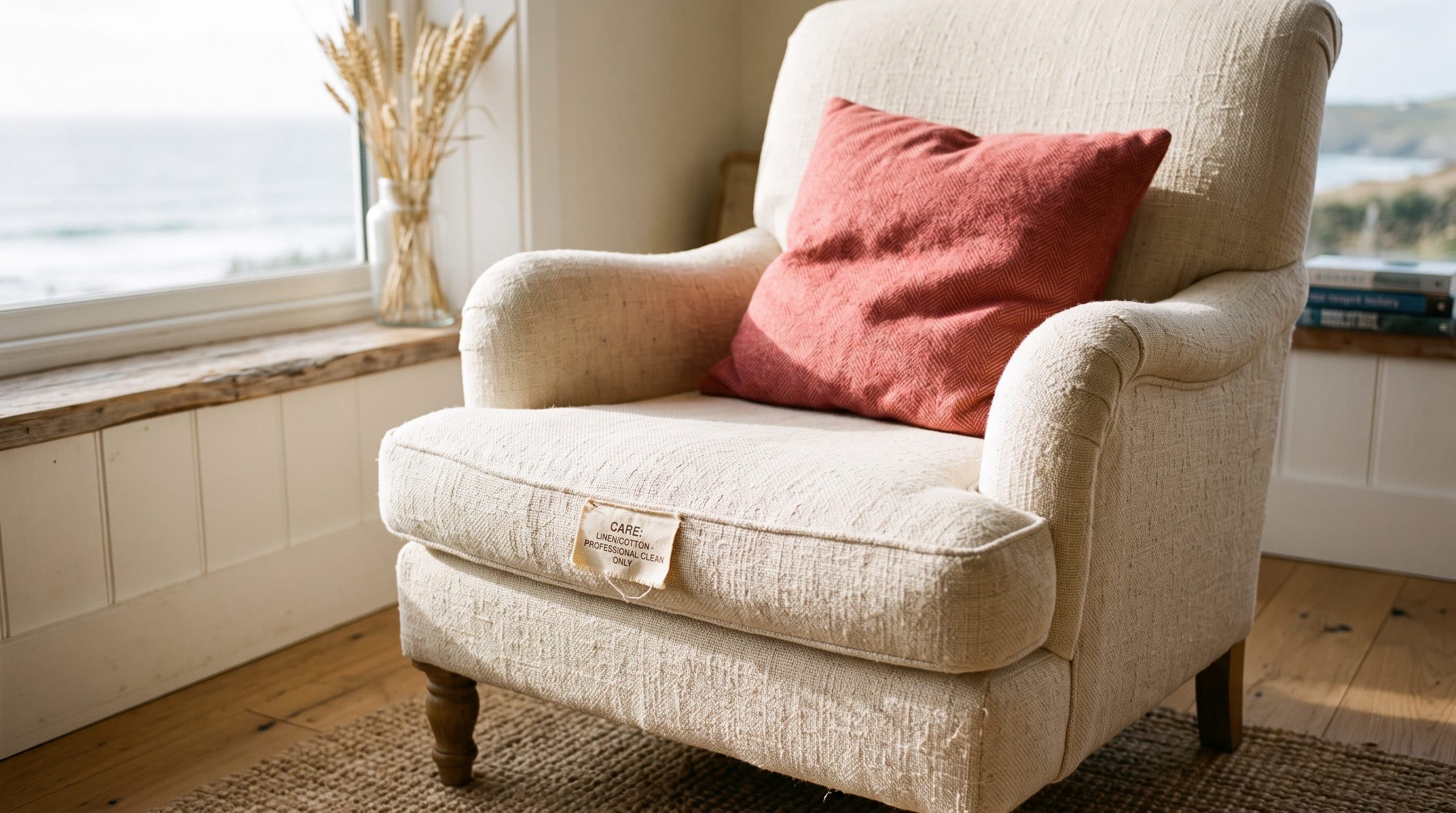
The Letter on Your Couch Tag Decides How It Can Be Cleaned
Upholstery cleaning codes on the fabric tag, W, S, WS and X, decide whether your sofa takes water, solvent only, or vacuuming alone. Here is each one.
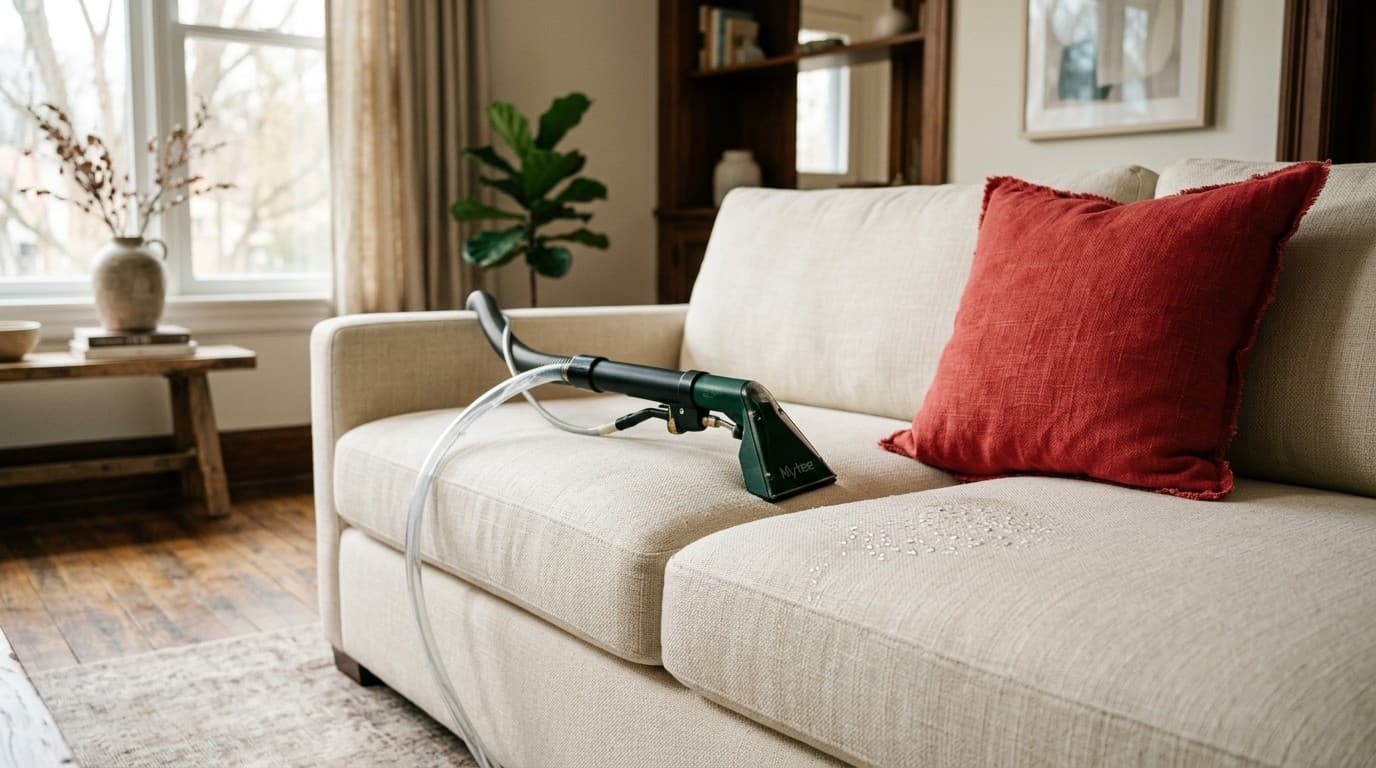
What Professional Upholstery Cleaning Actually Does to a Couch
Professional upholstery cleaning is not carpet cleaning on furniture. It pulls embedded soil out of the cushion fill a vacuum never reaches, using controlled heat and low-moisture extraction so the frame never gets soaked. Here is what actually happens.